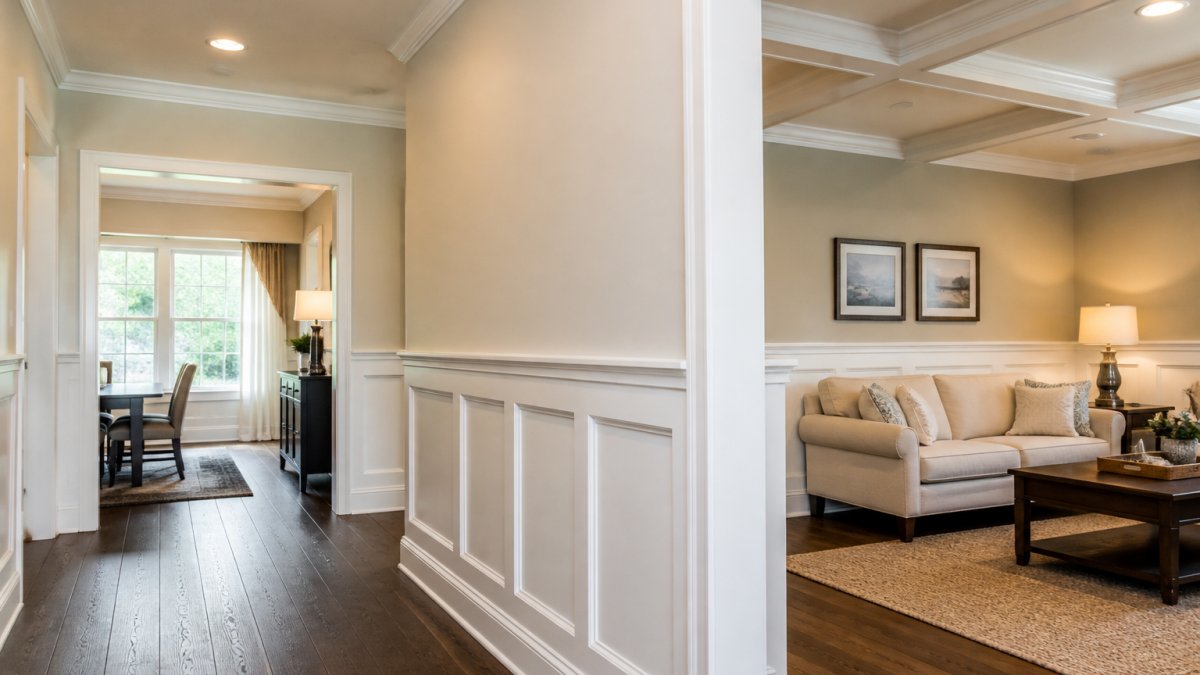
 listicle
Benefits of Custom Interior Trim for Your Home
Table of Contents
- Why Custom Interior Trim Is Worth the Investment
- Custom vs Stock Trim Comparison: Which Fits Your Home?
- How to Choose Trim for Your Home Style
- The Cost of Custom Trim Installation: What to Expect
- Protecting Your Walls and Seamless Transitions
- Maintenance and Repair for Long-Term Durability
- Conclusion: Elevate Your Home with Custom Trim
- Frequently Asked Questions
Last Updated: September 27, 2026
Why Custom Interior Trim Is Worth the Investment
Custom interior trim is finish carpentry that frames your floors, windows, doors, and ceilings with profiles cut to your home's exact measurements rather than bought in fixed lengths. At Cole Home Service & Landscape Construction, we've spent over 25 years watching how these small details change a room. Trim rarely tops a renovation wish list, yet it shapes how every other upgrade reads.
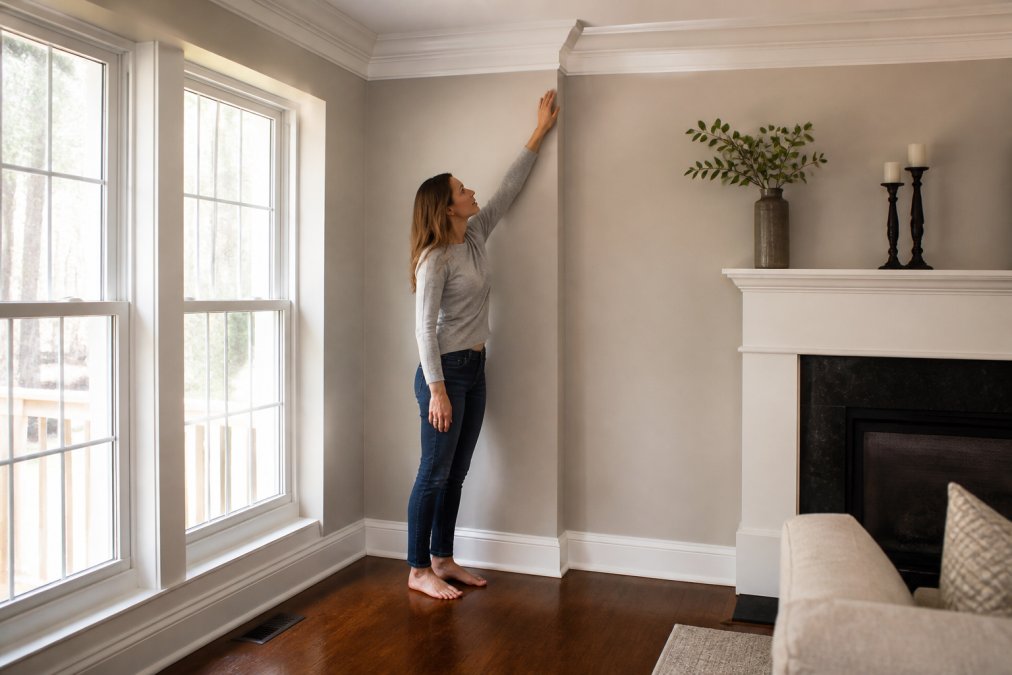
Aesthetic Enhancement and Visual Appeal
Trim is the frame around everything else in a room. A well-proportioned crown molding lifts the ceiling visually; a taller baseboard makes walls feel grounded. Stock profiles come in a handful of shapes, so they often sit slightly off against older plaster or a non-standard door height. Custom profiles match the room instead of fighting it.
Increased Home Value and ROI
Finish carpentry is one of the few upgrades that reads as quality to nearly every buyer. Unlike paint colors or light fixtures, trim is structural to the look of a home and hard to fake cheaply. Real estate professionals note that homes with cohesive architectural detail sell faster than comparable homes with bare drywall edges and mismatched trim.
Custom vs Stock Trim Comparison: Which Fits Your Home?
Custom trim is milled to your home's specific dimensions, while stock trim is pre-manufactured in standard lengths and profiles. The right choice depends on your home's age, budget, and how long you plan to stay.
| Factor | Custom Trim | Stock Trim |
|---|---|---|
| Fit | Matches exact wall lengths and angles | Requires filler and caulk at gaps |
| Profile options | Unlimited, milled to order | Limited catalog shapes |
| Material choice | Any wood species or MDF | Common species only |
| Upfront cost | Higher per linear foot | Lower per linear foot |
| Best for | Older homes, long-term owners | Rental units, quick refreshes |
Material Quality and Durability
Wood species matters more than most buyers realize. Poplar and pine take paint well and cost less; oak and maple hold crisp edges longer and resist dents. MDF offers a smooth surface at a lower price, but it swells if it gets wet, so it belongs in dry interior rooms only.
Design Flexibility and Personalization
Custom millwork lets you match a profile to the era of your home or invent something new. Restoring a 1920s bungalow? A mill shop can replicate the original casing. Want a modern flat profile with a shadow line? That's a drawing away from reality.
How to Choose Trim for Your Home Style
Start with the architecture you already have. A craftsman home calls for wider, heavier casing with a visible step. A mid-century ranch reads better with flat, minimal profiles. Colonial styles favor narrow, symmetrical moulding with simple curves.
The Cost of Custom Trim Installation: What to Expect
Custom trim is priced on four variables: material, profile complexity, linear footage, and wall prep. Because those four move independently, a per-square-foot number is close to meaningless. Most finish carpentry is quoted per linear foot of installed trim, with a separate line for prep and finishing.
How the four variables behave:
- Material. Paint-grade MDF and finger-jointed pine sit at the low end. Poplar is the standard paint-grade hardwood and costs more. Oak, maple, and walnut climb from there, and any species that will be stained adds a sorting and matching step.
- Profile complexity. A simple flat baseboard or square-edge casing mills quickly. A multi-step crown, a custom knife profile matched to an existing 1920s casing, or a built-up crown assembled from three separate moldings all add mill time and setup cost.
- Linear footage. This is the quantity driver. Measure the room's floor perimeter for baseboard, add door and window openings for casing, and add the ceiling perimeter for crown. Corners, returns, and outside miters add cut time even though they add no footage.
- Wall prep. This is the variable homeowners underestimate. Plaster walls, out-of-square corners, settled floors, and door openings that were never plumb all require shimming, furring, or scribing before a board goes up. Older homes routinely carry more prep labor than material cost.
Budgeting and Cost-Benefit Analysis
A practical way to phase the work:
- High-visibility first. Entry, living room, and the main sightline from the front door. These are the rooms buyers and guests register immediately.
- Second phase. Dining room, hallway, and stair. These share sightlines with phase one, so profile matching matters most here.
- Third phase. Bedrooms, closets, and utility spaces. Lowest visibility, easiest to defer.
For an accurate number on your home, the U.S. Department of Energy's home improvement guidance recommends getting at least three itemized bids that separate labor from materials. An itemized bid is also the only way to see whether a low total is low because of material, labor, or an assumption about prep that will not survive contact with your walls.
Protecting Your Walls and Seamless Transitions
Baseboards take the brunt of daily life: vacuum bumps, furniture scrapes, mop splashes. A taller, thicker baseboard absorbs that abuse so your drywall doesn't, protection you can't get from paint alone.
Maintenance and Repair for Long-Term Durability
Most guides stop at installation. The maintenance and repair side is where custom trim actually earns its keep over a decade.
A Simple Seasonal Routine
Trim fails in predictable places, and the failures are cheap to catch early:
- Spring. Walk the house and press a fingernail into the caulk line where trim meets the wall. If it is brittle or has pulled away, that is a normal settling crack. Scrape it out, re-caulk with a paintable latex caulk, and touch up the paint. This is a one-afternoon job for a whole floor.
- Fall. Check baseboards behind furniture, under windows, and along exterior walls for water staining or soft spots. Swelling at the bottom of a baseboard usually means a window or exterior wall issue, not a trim issue, and it is worth diagnosing before winter.
- Annually. Look at miter joints on crown and casing. A hairline crack at a miter is normal as a house moves through heating and cooling cycles. A gap that opens and closes with the seasons is a humidity problem, not a trim problem.
Repainting Intervals That Actually Hold
Painted trim in a normal interior room typically needs a light scuff-sand and a fresh coat every five to seven years. High-traffic areas, kitchens, bathrooms, and homes with pets or young children, run closer to three to five years. Stained and clear-finished trim needs a fresh topcoat when the finish looks dull or water stops beading on it, usually every three to five years on horizontal surfaces and longer on vertical ones.
Repair Before Replace
Repair is almost always cheaper and faster than replacement, and it is the reason matching an existing profile matters. The common repairs:
- Dents and gouges in baseboard. Fill with a two-part wood filler, sand flush, prime, and repaint. On painted trim this is invisible.
- Cracked miter joints on crown. Rake out the old caulk, re-caulk, and repaint the joint. If the joint has opened because the crown was installed under tension, it will keep cracking and the fix is to re-secure the molding, not to keep caulking it.
- Water-damaged or rotted sections. Cut out the damaged run back to solid material, splice in a new piece, and match the profile. This is where custom trim pays off: a mill shop can replicate the original profile, while a stock profile will not match and the splice will be visible.
- Loose trim. Re-nail into studs, not just into drywall, and fill the nail holes before painting. Trim that pulls away repeatedly is usually nailed into drywall only.
Material-Specific Care
MDF trim needs the most attention around moisture. It swells when wet and does not return to shape, so it belongs in dry interior rooms only, and any MDF baseboard near a bathroom, laundry, or exterior door should be watched. Solid wood trim handles moisture swings better and can be sanded and refinished repeatedly. Poplar and pine take paint well but dent more easily; oak and maple hold crisp edges longer and stand up to daily abuse, which is why they are common in high-traffic areas.
Conclusion: Elevate Your Home with Custom Trim
Trim is the last 5% of a renovation and the first thing a guest's eye registers. Getting it right means choosing profiles that match your home's architecture, budgeting for both material and labor, and treating maintenance as a long-term habit rather than a one-time task.
Frequently Asked Questions
Does custom interior trim increase home value?
Yes, custom interior trim can increase home value by enhancing aesthetic appeal and architectural character. According to industry insights, homes with high-quality trim often see a better resale value because buyers perceive them as well-maintained and thoughtfully designed. The exact return on investment depends on your home's market, but custom trim is considered a long-term investment that can set your property apart.
What is the difference between stock and custom interior trim?
Stock trim is pre-made in standard profiles and sizes, available at home improvement stores. Custom trim is milled to your specifications, allowing for unique profiles, sizes, and wood species that match your home's architecture. Custom trim offers better design flexibility and a seamless fit, especially in older homes with non-standard dimensions, while stock trim is more budget-friendly but limited in options.
Is custom interior trim worth the investment for older homes?
For older homes, custom interior trim is often worth the investment because it can replicate historical profiles or create a cohesive look that stock trim cannot achieve. It addresses uneven walls and settling issues common in older properties, providing a precise fit. While the upfront cost is higher, the improved aesthetic and durability can enhance your home's value and enjoyment for years.
What types of rooms benefit most from custom trim installations?
Living rooms, dining rooms, and master bedrooms benefit greatly from custom trim, as it adds elegance and defines the space. Kitchens and bathrooms also see significant improvements with custom cabinetry trim and molding. Any room where you want to create a focal point or enhance architectural detail can benefit. Custom trim is particularly effective in open-concept areas to visually separate zones.