 ultimate-guide
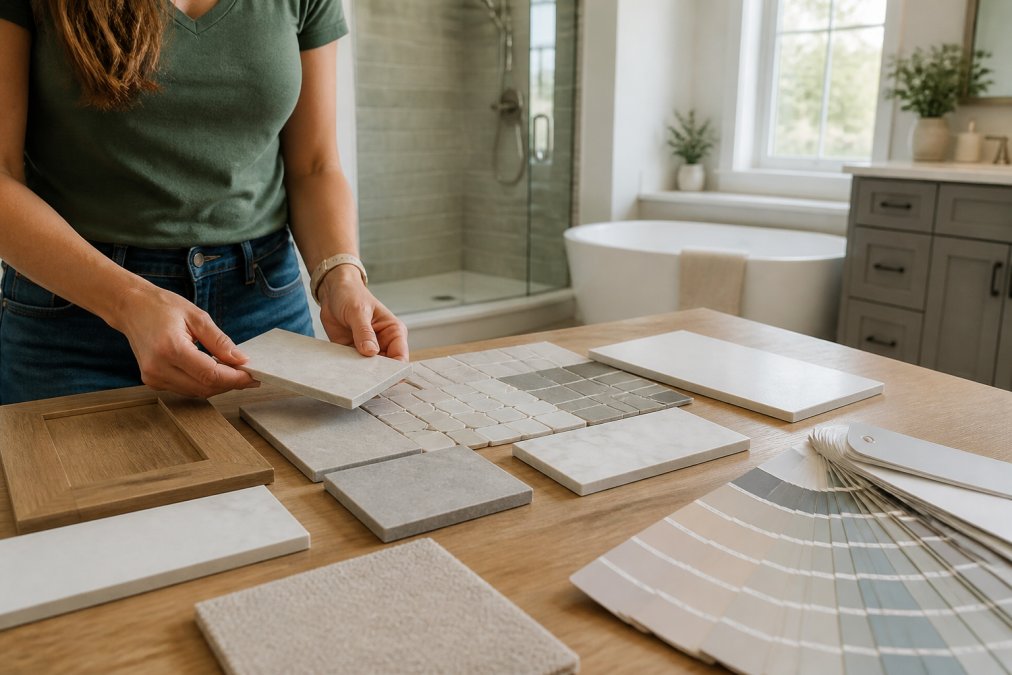
Bathroom Renovation Material Selection Guide
Table of Contents
- Understanding Bathroom Renovation Materials
- Best Bathroom Flooring Materials for Moisture Resistance
- Shower and Tub Surround Materials
- Vanity, Countertop, and Fixture Options
- Bathroom Remodel Budget Breakdown
- Bathroom Renovation Timeline and Planning
- DIY vs. Professional Installation and Long-Term Maintenance
- Sustainable and Eco-Friendly Material Choices
- Frequently Asked Questions
Last Updated: September 24, 2026
Understanding Bathroom Renovation Materials
Choosing the right materials for a bathroom renovation material selection guide starts with understanding what each material actually does in a wet environment. This isn't about aesthetics alone, it's about durability, maintenance, and how materials perform when water is present constantly.
The bathroom is the most moisture-intensive room in your home. Walls, floors, and fixtures face daily exposure to steam, splashing, and humidity. Materials that work beautifully in a bedroom fail spectacularly in a shower. The selection process requires matching material properties to specific zones: high-splash areas need different protection than vanity surfaces.
Cole Home Service & Landscape Construction has spent over 25 years helping homeowners navigate these decisions. The most common mistake is treating all bathroom surfaces the same. A material that's perfect for a vanity countertop might be terrible for shower surrounds. Understanding these distinctions upfront saves both money and frustration later.
Best Bathroom Flooring Materials for Moisture Resistance
The best bathroom flooring materials prioritize moisture resistance and slip-resistance above all else. Your floor endures standing water, daily moisture, and foot traffic, sometimes all at once.
Porcelain and Ceramic Tile
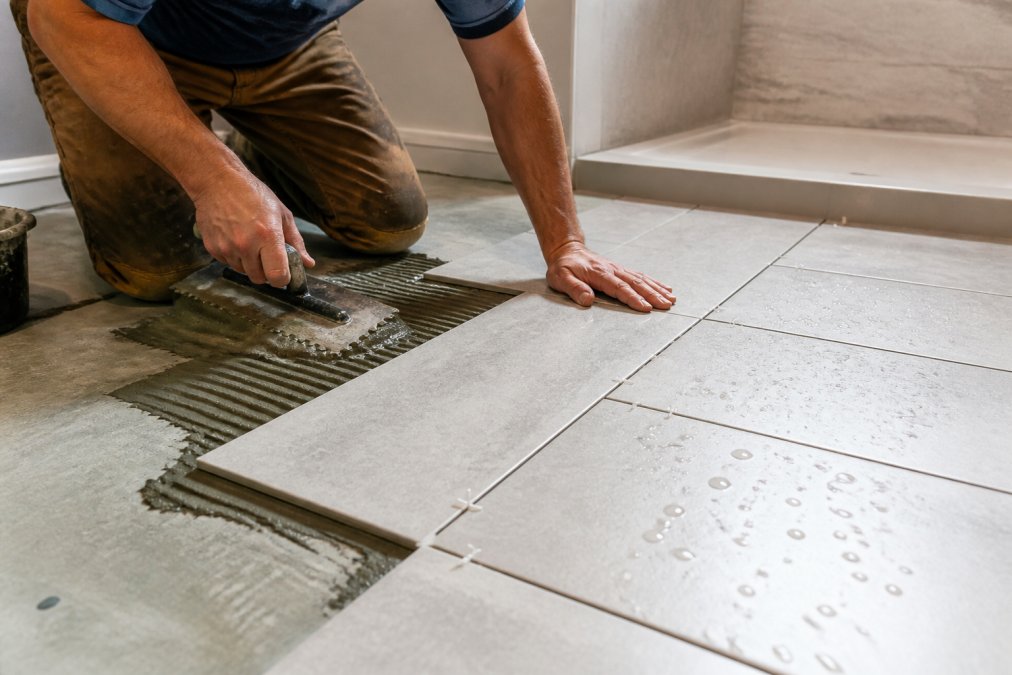
Porcelain tile is the industry standard for bathroom floors because it's nonporous and resists water absorption almost completely. Ceramic tile is similar but slightly more porous, which matters if water sits on the surface for extended periods. Both materials require proper grout and caulking to seal joints where water infiltrates.
Porcelain comes in slip-resistance ratings measured by coefficient of friction. Look for tiles rated R11 or higher for bathroom floors, this ensures grip even when wet. The installation process matters as much as the material itself. Improper waterproofing under the tile leads to subfloor damage that's expensive to repair.
Natural stone options like slate and travertine offer aesthetic appeal but demand more maintenance. Slate is naturally slip-resistant and durable, but it's porous and requires regular sealing. Travertine has a softer, more elegant appearance but needs consistent care to prevent staining and water damage.
Luxury Vinyl Plank and Sheet Vinyl
Luxury vinyl plank (LVP) and sheet vinyl have become popular alternatives because they're waterproof, affordable, and easier to install than tile. Sheet vinyl comes as one continuous layer, eliminating seams where water can penetrate. LVP consists of individual planks that click together, creating a wood-like appearance without wood's vulnerability to moisture.
The key advantage is speed of installation and lower cost compared to tile. The drawback is durability, vinyl doesn't last as long as porcelain under heavy traffic and direct sunlight. UV exposure degrades vinyl over time, causing discoloration and brittleness. In bathrooms with large windows, this matters.
Vinyl requires a smooth, level subfloor. Any imperfection telegraphs through the material and creates soft spots. Installation quality directly affects how long the material performs.
Natural Stone Options
Natural stone like marble and limestone brings luxury but demands respect for its limitations. Marble is porous and stains easily, acidic products like vinegar or lemon juice etch the surface permanently. Limestone is even more porous and softer than marble. Both require professional sealing and regular maintenance.
Granite is harder and more stain-resistant than marble but still requires sealing. It's a better choice than marble for bathrooms, though it costs more. The real question isn't whether natural stone works, it's whether you're willing to maintain it consistently.
Shower and Tub Surround Materials
Shower and tub surrounds require aggressive waterproofing because they're the wettest part of your bathroom. Water doesn't just land here; it runs down walls and pools at the base. The surround material must handle constant moisture while the underlying structure stays dry.
Waterproofing and Moisture Protection
Waterproofing is the foundation of any durable shower or tub surround. The substrate, what goes under the visible material, must be waterproof before you install tile, stone, or panels. Many failures happen because the substrate wasn't properly sealed.
The standard approach uses a waterproof membrane applied directly to the wall framing. This creates a barrier that water cannot penetrate. The membrane goes under the tile or panel, not behind it. Water that gets past the visible material hits the membrane and drains down to the base where a weep system channels it out.
Caulking and grout are not waterproofing.
Tile Selection and Installation
Tile remains the most durable and waterproof choice for shower surrounds. Porcelain tile resists water absorption better than ceramic. The installation process determines whether the waterproofing works: the membrane must be continuous, the tile must be set in thin-set mortar (not adhesive), and grout joints must be sealed after installation.
Vanity, Countertop, and Fixture Options
The vanity area is less exposed to direct water than the shower, but it still faces moisture and splashing. Countertops around sinks need materials that resist water damage and staining.
Engineered Quartz and Natural Stone Countertops
Engineered quartz dominates bathroom countertops because it's nonporous, stain-resistant, and doesn't require sealing. Quartz is a manufactured material made from crushed quartz stone bonded with resin. The resin makes it waterproof, water cannot penetrate the surface or seep into joints.
Vanity Cabinet Materials and Finishes
Vanity cabinets face moisture from splashing and humidity. Solid wood cabinets are beautiful but vulnerable, water damage causes swelling and rot. Plywood and MDF with waterproof finishes are more practical. The finish matters more than the substrate. A quality polyurethane or conversion varnish creates a water-resistant barrier.
Bathroom Remodel Budget Breakdown
Budget planning for a bathroom renovation material selection guide requires understanding where costs concentrate. Materials are only part of the equation, labor, plumbing, electrical, and waterproofing add significantly to the total.
Bathroom Renovation Timeline and Planning
Most bathroom renovations take 4-8 weeks from demolition to completion. The timeline depends on scope, material availability, and whether unexpected issues emerge during construction.
DIY vs. Professional Installation and Long-Term Maintenance
Some bathroom work suits DIY effort. Painting, simple vanity installation, and fixture replacement are achievable for homeowners with basic skills. Waterproofing, tile work, and plumbing require expertise.
When to Hire a Professional
Waterproofing and tile installation in showers demand professional-level skill. A poorly waterproofed shower fails within months. The cost to repair water damage behind walls exceeds the cost of proper installation by thousands. This is not a place to save money through DIY.
Maintenance Costs and Durability Expectations
Different materials demand different maintenance. Tile and grout need periodic resealing, every 1-3 years depending on use and grout type. Natural stone requires more frequent sealing. Vinyl requires minimal maintenance but degrades over time.
Sustainable and Eco-Friendly Material Choices
Sustainable bathroom materials reduce environmental impact without sacrificing performance. Recycled glass tile offers durability and unique aesthetics. Recycled porcelain tile performs identically to virgin material at similar cost. Cork flooring is renewable and naturally antimicrobial but less durable than tile.
Frequently Asked Questions
What is the best bathroom flooring material for a high-moisture environment?
Porcelain tile is the top choice for bathrooms because of its low porosity and superior water resistance. Unlike ceramic tile, porcelain absorbs less than 0.5% moisture, making it ideal for wet areas. Luxury vinyl plank also performs well in bathrooms, offering waterproof protection and easier installation. Natural stone requires sealing to maintain moisture resistance. The key is choosing materials with proven slip-resistance ratings and proper waterproofing during installation.
How much should I budget for a bathroom renovation material selection?
A bathroom remodel budget breakdown typically allocates costs to materials, labor, and installation. Your actual budget depends on material quality, bathroom size, and whether you're replacing the subfloor or plumbing. Contact Cole Home Service & Landscape Construction for a personalized quote based on your specific needs and material choices.
How long does a typical bathroom renovation take?
A standard bathroom renovation timeline ranges from 3-8 weeks, depending on scope and complexity. A simple update with new fixtures and finishes typically takes 3-4 weeks. Full renovations involving plumbing changes, waterproofing, and structural work can take 6-8 weeks. Delays occur when hidden water damage or subfloor issues are discovered. Professional installation ensures proper sequencing: plumbing and electrical first, then waterproofing, tile, and fixtures last. Cole Home Service & Landscape Construction communicates throughout the process to keep your project on schedule.
What is the 30% rule for bathroom renovations?
There are various guidelines regarding renovation budgets relative to home value. However, these are general guidelines, not hard limits. Focus on materials and finishes that balance durability, maintenance requirements, and aesthetic appeal rather than strict budget percentages.
Should I install bathroom materials myself or hire a professional?
Waterproofing, tile installation, and plumbing connections require professional expertise to prevent costly water damage and mold. DIY work on vanity installation or painting is reasonable if you have experience. Subfloor preparation, grout application, caulking, and fixture connections demand precision and building code compliance. Professionals understand material compatibility, proper ventilation, and local building codes. Cole Home Service & Landscape Construction handles complex installations to ensure your materials perform as intended and your warranty stays valid.
What bathroom materials require the most maintenance?
Natural stone countertops and flooring require regular sealing and careful cleaning to prevent staining and water damage. Grout in tile installations needs periodic sealing and cleaning to resist mold and mildew. Engineered quartz requires less maintenance than natural stone but still needs gentle care. Porcelain tile and luxury vinyl are the lowest-maintenance options. Fixture finishes like chrome require regular polishing to prevent water spots. Plan maintenance costs into your material selection to avoid surprises over time.
Are eco-friendly bathroom materials more expensive?
Sustainable materials like recycled glass tile, bamboo vanities, and low-VOC finishes may have different upfront costs but can offer long-term savings through durability and reduced maintenance. Recycled porcelain tile performs similarly to virgin porcelain. Water-efficient fixtures can reduce utility bills over time. Some eco-friendly materials may qualify for rebates or tax credits. The true cost includes environmental impact and longevity, not just initial price. Cole Home Service & Landscape Construction can help you find sustainable options that fit your budget.